What remains uniquely human is not a technical dilemma. It is a philosophical one.
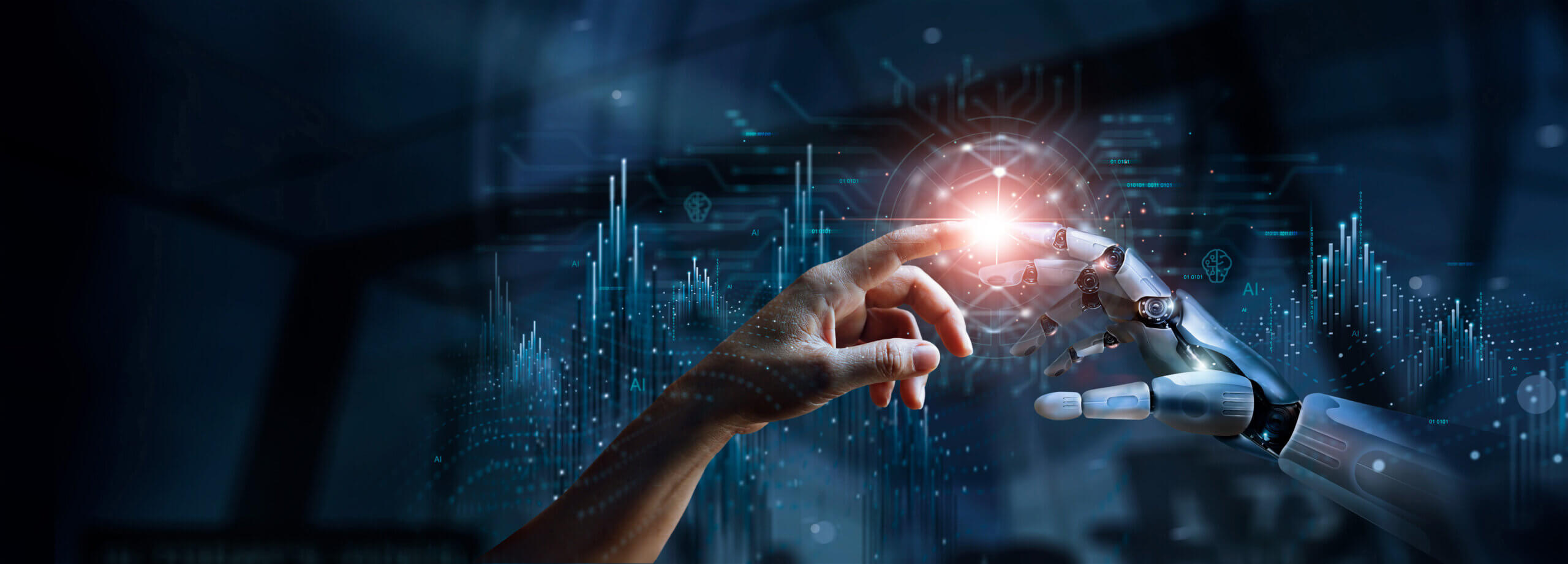
AI is reshaping more than our tools. It is reshaping how we see ourselves. When predictive systems complete our thoughts before we finish them, consciousness becomes the last unautomated frontier. I explored this tension more deeply in a recent thought leadership piece in The AI Journal.
Humanity has never been a choice between being and doing. That framing misses the point.
The real divide is between awareness and automation.
We now operate inside systems designed to profit from our absence. Reclaiming presence is not passive mindfulness. It is an active refusal to disappear. Machines will always outperform humans at execution. Execution without reflection leads to chaos. Presence without intention leads nowhere.
Human meaning lives in the tension between the two.
AI can process endlessly, but it cannot experience time from the inside. It cannot yearn. It cannot wait. It cannot wonder. That pause, the space where we ask why, is the origin of moral intelligence.
Conscious Creation vs. Synthetic Generation
Machines can generate. Only humans can intend.
An AI can write a poem, compose a song, or design an image, but it does so without responsibility for what it creates. There is no emotional residue and no interior reckoning. Human creativity carries memory, contradiction, culture, and care. It is moral labor.
Artist Claire Silver captures this distinction perfectly:
“AI is a camera for the imagination. If a camera is for everything that is, AI is a camera for everything that isn’t.”
A camera, however, only shows what it is pointed at.
Ethical creativity in the age of AI requires curation, not consumption. Every dataset reflects values. Every prompt carries a worldview. Creation now includes deciding what systems are trained on, what is excluded, and what is invited forward from the latent space.
The artist is no longer only a maker. The artist becomes a steward of meaning.
Emotion, Purpose, and Moral Responsibility
Emotion cannot be outsourced.
Affective computing can mimic sentiment, but it cannot feel significance. Human emotion is recursive. We feel, and we know that we feel. Emotion is embodied, contextual, and cultural. It is the smell of rain on pavement. The way time stretches during grief. The uncertainty inside laughter.
AI can simulate empathy. It cannot mean it.
As machines absorb more labor, the question of purpose changes. For centuries, purpose was tied to productivity. Productivity is now automated. Meaning returns to the foreground.
This is where the liberal arts matter.
Purpose is orientation. It is not speed. It asks why we build, not how fast. When machines handle execution, humans must handle interpretation.
Morality begins with intention.
Machines cannot be held morally accountable because they do not choose. They do not empathize. They do not anticipate consequence. Bias in AI is not an algorithmic failure. It is a human one. Every system reflects the values of its creators.
AI is a mirror. If we dislike what it shows, responsibility remains with us.
Imperfection, Imagination, and Staying Awake
Machines pursue perfection. Humans grow through imperfection.
Mistakes are not glitches. They are signals. They teach us how to learn, relate, and evolve. AI seeks accuracy. Humans seek understanding, and understanding requires ambiguity, doubt, and contradiction.
No machine can feel remorse.
No model can forgive.
Those capacities are uniquely human.
AI offers a revealing gift. It shows us what must remain ours.
Every automated decision raises a deeper question: what should never be automated? As generative systems ingest culture without context, consent, or reciprocity, they expose the unraveling of the internet’s social contract.
AI can simulate awe. It cannot feel it.
It can return facts. It cannot produce wisdom.
The next generation must learn more than technical literacy. They must learn moral literacy. Not only how to prompt, but how to question. Not only how to build, but how to reflect.
Imagination cannot be scraped, trained, or predicted.
Machines cannot dream. Humans can.
Hope, paired with imagination, remains the most powerful form of innovation. It turns disruption into direction. In that direction, the human story continues, awake, intentional, and unfinished.
Read the full piece “Awake Inside the Machine: What AI Reveals About Being Human” in The AI Journal.
Optimize Your Brand’s Visibility in AI Search
Millions turn to AI platforms daily to discover and decide. Make sure they find your brand.