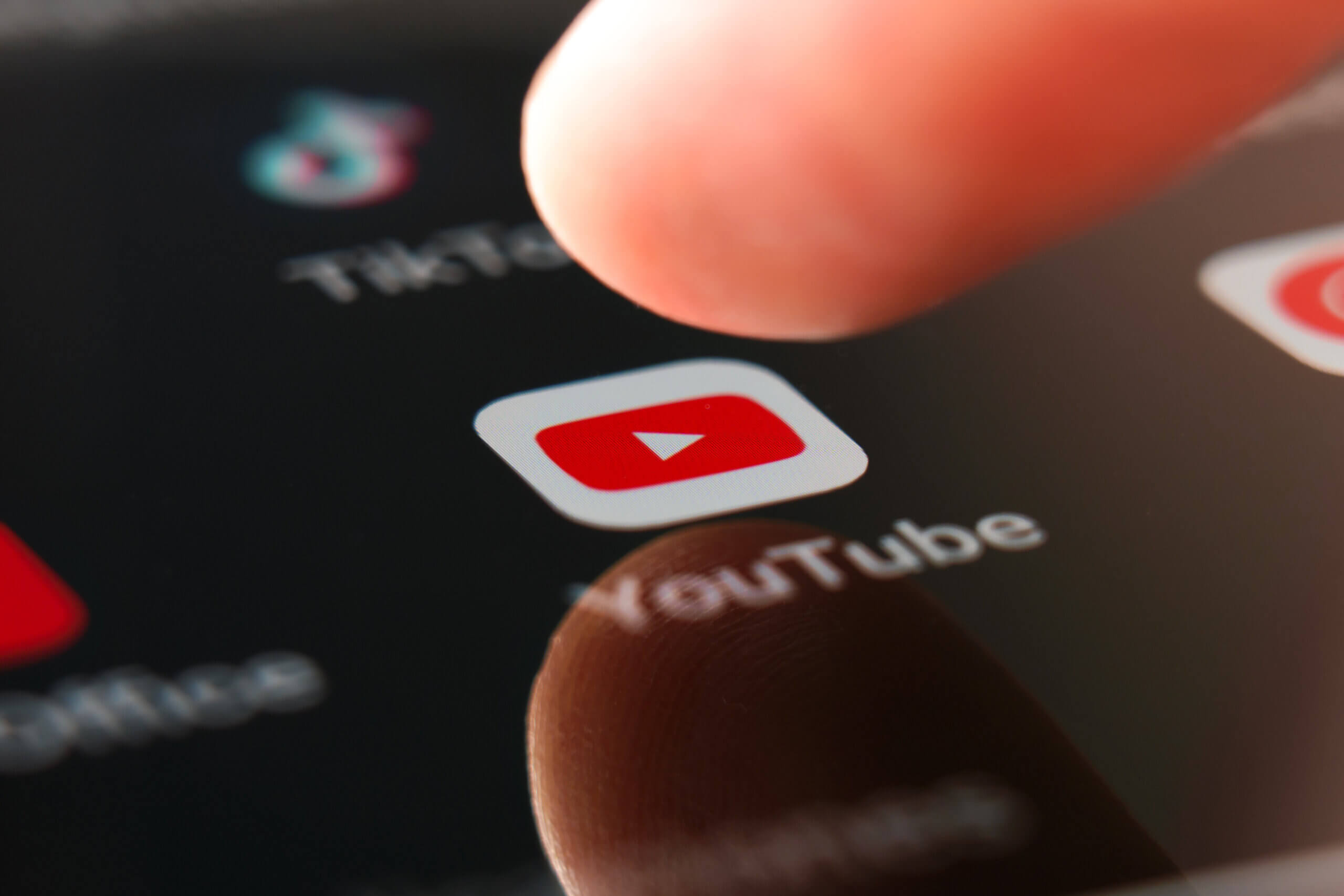
YouTube recently announced it will roll out a new AI tool for Shorts, a format that now generates over 200 billion daily views across the platform. By allowing creators to produce Shorts with an AI version of themselves, it can cut down camera time for each post.
CEO Neal Mohan sees the update as a way to help creators, not replace them. The AI tool is designed to reduce creative bottlenecks and burnout, but will it come at the cost of authenticity?
As content production accelerates, brands will need to ask themselves how much they should automate.
Upcoming Changes to YouTube
This update hints at where the future of short-form YouTube content is heading.
AI likenesses allow creators to post more frequently, with less on-camera time. Using an AI clone can speed up production and cut costs. For brands and creators scaling up content creation, this efficiency can improve frequency and visibility.
But the changes aren’t only about saving time. Reducing operational drag can unlock creativity and new ideas.
YouTube is rolling out AI-generated stickers, music, and games. Details on specific features are limited, but the rollout of AI-generated content suggests that the entire creation stack is moving toward automation.
Short-Form Content in 2026
Short-form content is evolving from quick video clips to something more strategic.
It’s not that the audience’s preferences are changing, but businesses are finding new ways to meet them. As AI becomes an integral part of Shorts, obstacles such as time and budget begin to fade away. It becomes easier to create, publish, and iterate on ideas.
As more brands post more frequently, speed no longer gives you an automatic edge.
Standing out depends on whether content resonates with your audience and feels genuine.
The Risks of Scaling AI Content on YouTube
This update underlines how quickly AI content is altering content creation and marketing. The question isn’t whether brands will use the technology, but how they can use it without watering down their messaging.
When posting becomes automatic, feeds fill up quickly. As a major player in short-form content sharing, YouTube has already prioritized blocking low-quality content. Anticipating a rise in AI-generated posts, CEO Neal Mohan has said the company continues to build tools that will protect creators and their audiences.
But content moderation has its limits.
As AI tools make scaling easier, brands will need to give even more thought to what they post. In saturated social media feeds, credibility and originality are what keep you from getting lost in the crowd.
The Future of AI Content Creation for Brands and Creators
AI tools can help businesses create content faster without losing relevant messaging across the entire journey. YouTube’s move toward AI-generated versions of content creators makes it easier to keep pace with publishing schedules, but it also raises expectations around content quality and cadence.
Strategy matters now more than ever before. Brands need to carefully monitor the impact of their marketing and content strategies. At Avenue Z, we help businesses use new technology to deliver their message clearly, concisely, and intentionally. Creating an AI optimization plan can help you scale your business more effectively.
We Drive Influence
Win AI search, grow revenue and build reputation through PR and digital marketing.