
If you’re a new brand trying to grow, chasing down as many customers as possible might seem like the best approach. After all, more customers mean more sales. However, constantly seeking new customers might not be the most sustainable approach.
For long-term success, company leaders should focus on increasing average order value (AOV) rather than only bringing in new customers with small orders.
Why is AOV Important for New Businesses?
Customers who buy one product and never return aren’t going to help with long-term business success. By increasing AOV, you’ll increase revenue without having to waste as much time and money on advertisements to reach new customers.
The key to achieving this is to lean into add-ons, related products, and complementary products to enhance the shopping experience. Giving customers a reason to buy more and return to your store unlocks long-term brand growth.
For a brand trying to develop and expand, AOV means that there will be more profit per customer, allowing revenue to grow without requiring traffic or customer acquisition costs (CAC) to grow too.
Tips for Improving Average Consumer Value
To measure your company’s AOV, take the total revenue divided by the number of orders. For better AOV, CMOs and brand leaders need strategies that encourage customers to spend more. Consider the following tips in your business plan.
Focus on Upsell
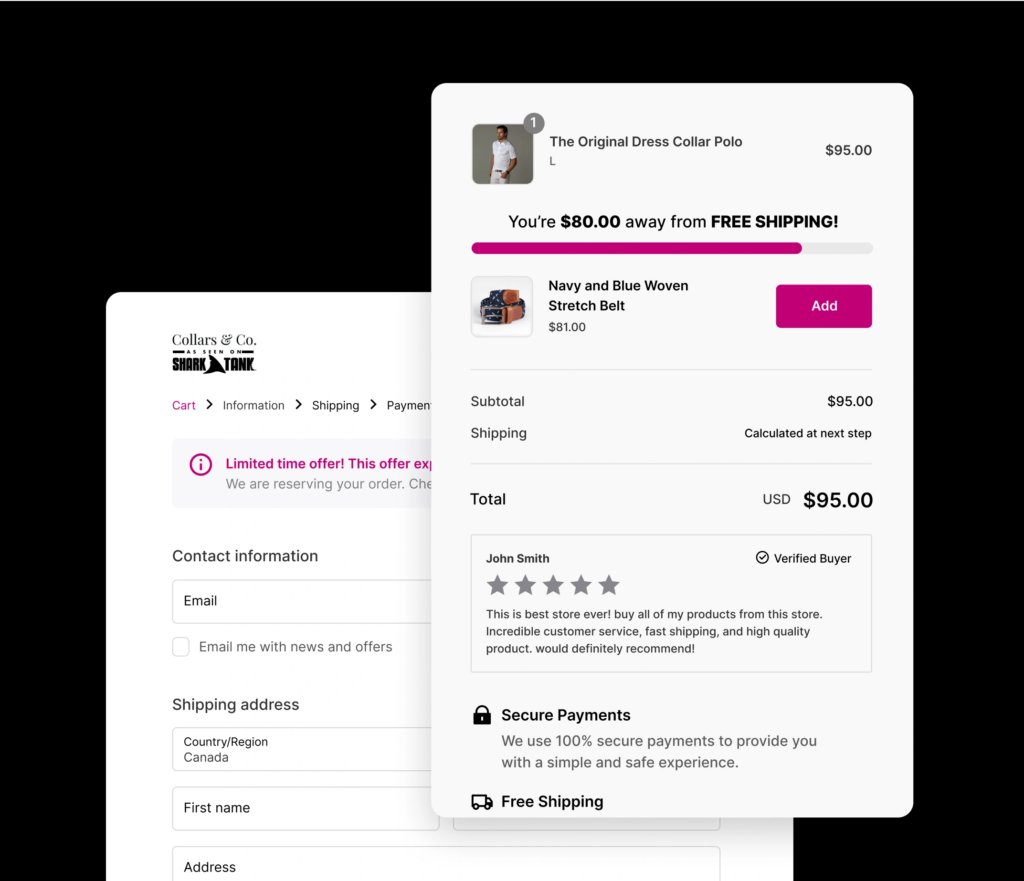
Customers adding items into their carts are already planning to spend money on your site. You just need to make adding more seem like an easy decision.
Here are some effective ways to do this:
- Recommending higher-value versions of a product
- Encouraging volume discounts
- Offering add-ons like protection plans and customization
- Adding urgency with limited time offers
- Suggesting subscriptions
Upselling should happen while purchase intent is high, so include upsells within product pages, shopping carts, checkouts, and any other pages that appear during the buying process. That way, it’ll grab the customer’s attention when they’re choosing products to purchase, not after them moment has passed.
Adding just two upsells can increase earnings up to 20 times. Without upsells, add-ons and upgrades that the customer is interested in might go unnoticed or be forgotten. These tactics increase the chances of every customer spending more.
Incorporate Cross-Selling
Upselling is about getting customers to buy something better while cross-selling is about adding items they already need. For example, upselling might involve upgrading to a nicer laptop while cross-selling would recommend a mouse to go with the laptop.
Both options help increase the cart’s value, but cross-selling feels more helpful than pushy. Offer product recommendations based on purchase history or products currently in the cart. Like upsells, product pages, carts, and checkouts are the most effective locations for these.
Cross-selling recommends items that customers may need but hadn’t thought about initially. This causes them to add products to their order for convenience since they’ll need to purchase them in the future anyway. As a result, the customers spend that extra money at your shop rather than buying complementary products somewhere else.
Offer Free Shipping
Customers love getting things for free, so when promised free shipping when spending a certain amount, they’re more likely to buy multiple items to reach that threshold. As a result, they may purchase additional products that they wouldn’t have considered otherwise. Showing a progress bar for how close they are to reaching free shipping can help encourage them.
FedEx data indicates that 75% of consumers think free shipping is more important than fast shipping. Leaning into this can lead to higher cart values long-term since it benefits both new and returning customers.
Gain Customer Loyalty
The best way to increase customer lifetime value is to give them a reason to keep returning. Loyalty programs where customers can gain discounts and deals when they buy more are a great incentive for many shoppers.
Loyalty programs help customers see orders as investments instead of transactions because they gain more with every dollar spent. Not only will customers feel encouraged to return, but it can also give them an incentive to recommend your brand to others.
Through every AOV strategy, keep your brand’s messaging and storytelling in mind. Customers want a brand they can connect with and feel good about supporting. Rather than just thinking about what you want to offer customers, lean into why you’re taking those approaches.
How These Strategies Lead to Profitability and Efficiency
Of course, getting customers to spend more is a huge win, but these tactics are about more than just some extra cash. By adding upselling, cross-selling, and loyalty programs to your shop, you’re making the process more efficient, which increases profit long-term rather than just for short periods.
Once these aspects are added to your site, they’ll always be part of the purchase process, encouraging both new and existing customers to add onto their carts without any manual tasks required from you. You’ll see your revenue grow while you focus on other important areas of running your business.
To enhance your AOV strategies, pay attention to which methods drive the most success. Consider adding or changing your product selections based on which upgrades or add-ons customers select the most. There’s always room for growth, and focusing on smarter conversions rather than more growth is the best way for the heads of a company to set the brand up for success.
Avenue Z Maximizes AOV with AfterSell
There are a lot of approaches to improving AOV, but finding the right ones for your site can be complicated if you’re new to these strategies.
Avenue Z partners with AfterSell, an app that uses these tactics to help brands boost average order values. They can help brands grow quickly by encouraging higher-value purchases so you don’t have to overwork yourself by constantly trying to find more customers.
We Drive Influence
Win AI search, grow revenue and build reputation through PR and digital marketing.