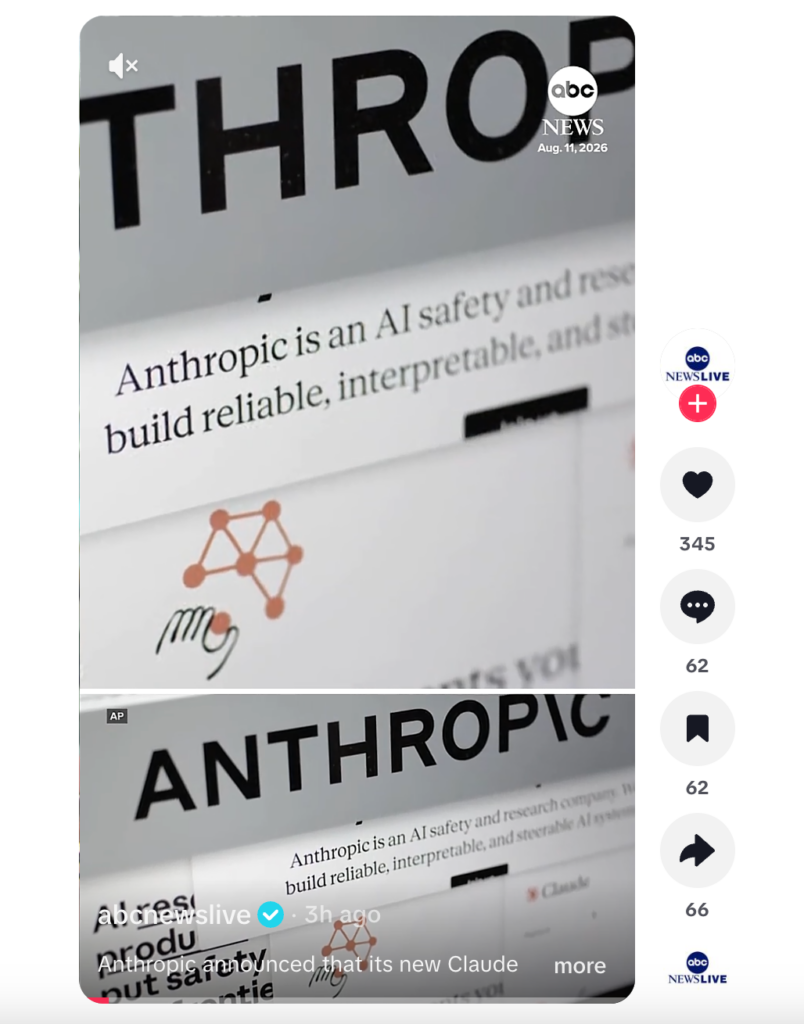
Anthropic is adding embedded watermarks to text generated by recent Claude models in an effort to make AI-generated content easier for machines to identify. The move comes as new EU requirements under Article 50 of the AI Act push companies to make generative AI content easier to detect.
This announcement is part of a larger industry trend where AI is entering its accountability phase. Brands are being held to higher standards of trust and responsibility as technology becomes embedded in business workflows, and the content they publish faces greater scrutiny around how it’s created and whether it’s credible.
One question marketers, teams, and founders are asking immediately is what this means for the future of search visibility.
What Gets Watermarked?
The update covers several types of Claude output, but the marking method changes depending on whether it’s text or a generated file. While the watermark rollout was influenced by the EU’s recent transparency requirements, Anthropic plans to apply the markings worldwide across newer models and eventually expand support to earlier models.
Text
AI-generated text in Claude may now carry a watermark inside the words. It’s invisible to the human eye, as it’s designed for automated systems and third-party tools to identify AI output.
Images
Some Claude-generated image files, including .jpg and .svg files, may include signed metadata in line with the Coalition for Content Provenance and Authenticity (C2PA) standard. The metadata can provide information about the origin of the file and whether it’s been modified.
Anthropic also announced plans to make detection available to users and third-party tools. However, the company has not provided specific details about how or when the detection methods will be available.
How it Affects Search Visibility
Claude’s introduction of watermarking on AI-generated content isn’t rewriting the rules of SEO or AEO. But it does change the conversation around how brands use AI, where human expertise adds the most value, and what makes content credible.
Google has consistently emphasized that content quality matters more than whether it’s 100% human-written or AI-generated. In fact, Ahrefs analysis showed that content created with AI often ranks near the top on Google Search.
The biggest issue isn’t whether brands use AI for SEO content. It’s whether they show real expertise, can support their claims, and write content that builds trust with audiences and write content that surfaces in AI-generated responses.
Continue to Show Up Across Search
AI-generated content isn’t automatically an SEO or AEO problem. But as AI becomes embedded in business operations, brands need to think carefully about how they create narratives and earn trust with the audiences they want to connect with.
As clients, colleagues, and AI systems discover brands’ content across digital channels, credibility plays a larger role in visibility. Brands that combine a human-first approach with the latest AI tools can create content that stands out in both traditional search and AI-generated responses.
SEO search is as important as ever. Contact Avenue Z to learn more about how AI can help translate your brand’s real-world expertise into a stronger digital presence.
We Drive Influence
Win AI search, grow revenue and build reputation through PR and digital marketing.