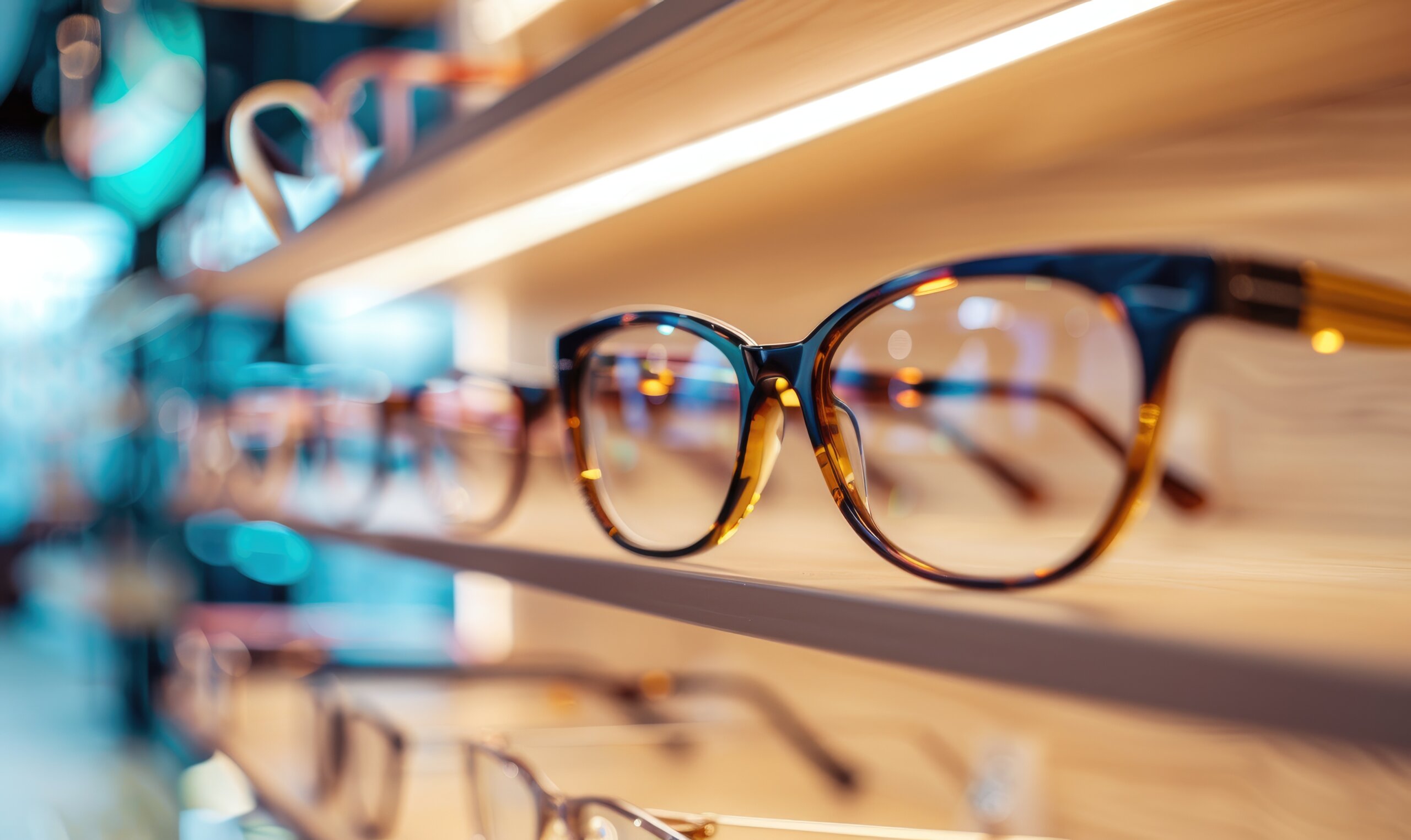
Eyewear sits at the intersection of health, fashion, and self-expression. It’s also a category where the average shopper feels deeply underqualified: prescription complexity, lens technologies, blue-light claims, frame materials, and face shapes all collide in one decision.
More and more, those shoppers are turning to AI with prompts like, “I need some new glasses. What brands do you recommend?” In a recent on-demand webinar, Avenue Z Chief Strategy Officer Whitney Hart outlines how eyewear brands can become the default answer to that question in the AI search era.
When “What Glasses Should I Get?” Becomes an AI Question
Traditional discovery flows, browsing optometrist shelves, clicking through DTC brand quizzes, or skimming “top 10” lists, are now being compressed into a single AI conversation. A typical journey might look like:
- “What glasses style suits a round face?”
- “Are blue-light glasses actually effective?”
- “What are some durable, stylish frames under $200?”
- “Which brands are known for high-quality lenses?”
An AI assistant can answer all of these in sequence, pulling from editorial sources, brand content, and user reviews. The brands it recommends, link to, or describe in detail will increasingly shape the optical consideration set.
Eyewear brands that don’t optimize for AI search risk being invisible, even if they’re strong in traditional SEO and paid media.
Beyond Rankings: How AI Decides Which Eyewear Brands to Recommend
AI systems don’t think in terms of “positions” on a search results page. They think in terms of:
- Factual clarity: Is it clear what a brand offers and for whom?
- Authority: Do trusted sources back up what the brand claims?
- Relevance to intent: Does this brand actually serve this user’s need (prescription, fit, budget, style)?
That’s why Avenue Z’s AI Search Optimization (AEO) framework blends technical optimization, content, and PR/affiliate strategy – all tuned for how LLMs read and reason.
The Three Pillars of AI Search for Eyewear Brands
1. Technical Optimization for AI Visibility
Eyewear products are rich with attributes that AI needs to understand in order to recommend confidently:
- Frame details: shape, material, fit, hinge type, weight.
- Lens options: single vision, progressive, blue light, transitions, coatings.
- Use cases: office work, gaming, driving, sports, kids.
Technical optimization for eyewear includes:
- Structured product data and schema: Making every one of these attributes explicit and machine-readable.
- Clear taxonomy by need: Organizing collections around use cases (“screen time,” “driving,” “sports performance,” “kids”) so AI can map them to prompts.
- Robust, up-to-date feeds that can power agentic commerce scenarios, where AI doesn’t just suggest your brand, but also helps complete the purchase.
As Whitney notes, initiatives like the emerging Agentic Commerce Protocol (ACP) and integrations with platforms like Shopify will depend heavily on clean, real-time product data.
2. Content & Creative That Answer Real Eyewear Questions
Eyewear buyers are full of questions. They want to know what matters and what’s marketing. AI systems look for content that helps them educate users honestly and clearly.
Winning brands invest in:
- Face-shape and style guides that explain why certain frames work better for certain features, in language that matches how users talk.
- Lens education that demystifies coatings, blue light, and prescription types without overpromising.
- Care and longevity content that builds trust (how to clean lenses properly, how often to replace, what warranties really cover).
Long-form guides, downloadable lookbooks, and even virtual try-on explainers all become rich material for LLMs to quote and reference when suggesting your brand.
3. Earned & Affiliate Media as Proof Points
When an AI system suggests an eyewear brand, it does so with reputational risk. To mitigate that, it leans on third-party validation:
- Reviews and roundups from tech, lifestyle, fashion, and health publications.
- Affiliate content that compares fit, quality, and price points across multiple brands.
- User review patterns that can be summarized into strengths (“great for all-day comfort”) and caveats.
Whitney calls out how AI systems increasingly prioritize sources from media groups they have formal partnerships with. For eyewear brands, this makes PR and affiliate strategy a core input into AI visibility.
Three Steps Eyewear Marketers Can Take Now
To turn these ideas into an action plan, Whitney recommends:
- Map your “AI intents” against current content. List out the most important AI-style questions in eyewear, from “what glasses suit my face shape” to “are online prescription glasses safe?” and see where your current content falls short.
- Standardize product and experience data. Make sure every frame and lens configuration is consistently documented, structured, and kept up to date, including warranties, try-on options, and return policies.
- Align brand storytelling across site, PR, and partners. Ensure that the way you talk about quality, comfort, and value is echoed everywhere an AI might look: on your site, on retailer pages, in editorial coverage, and in affiliate content.
As AI search becomes the stylist, optician, and product researcher in one, eyewear brands that invest in clarity and authority will win outsized mindshare. Contact us to get started.
Catch the full on-demand session with Whitney Hart to see how forward-thinking eyewear brands are already repositioning themselves for AI-first discovery and agentic commerce.
Optimize Your Brand’s Visibility in AI Search
Millions turn to AI platforms daily to discover and decide. Make sure they find your brand.