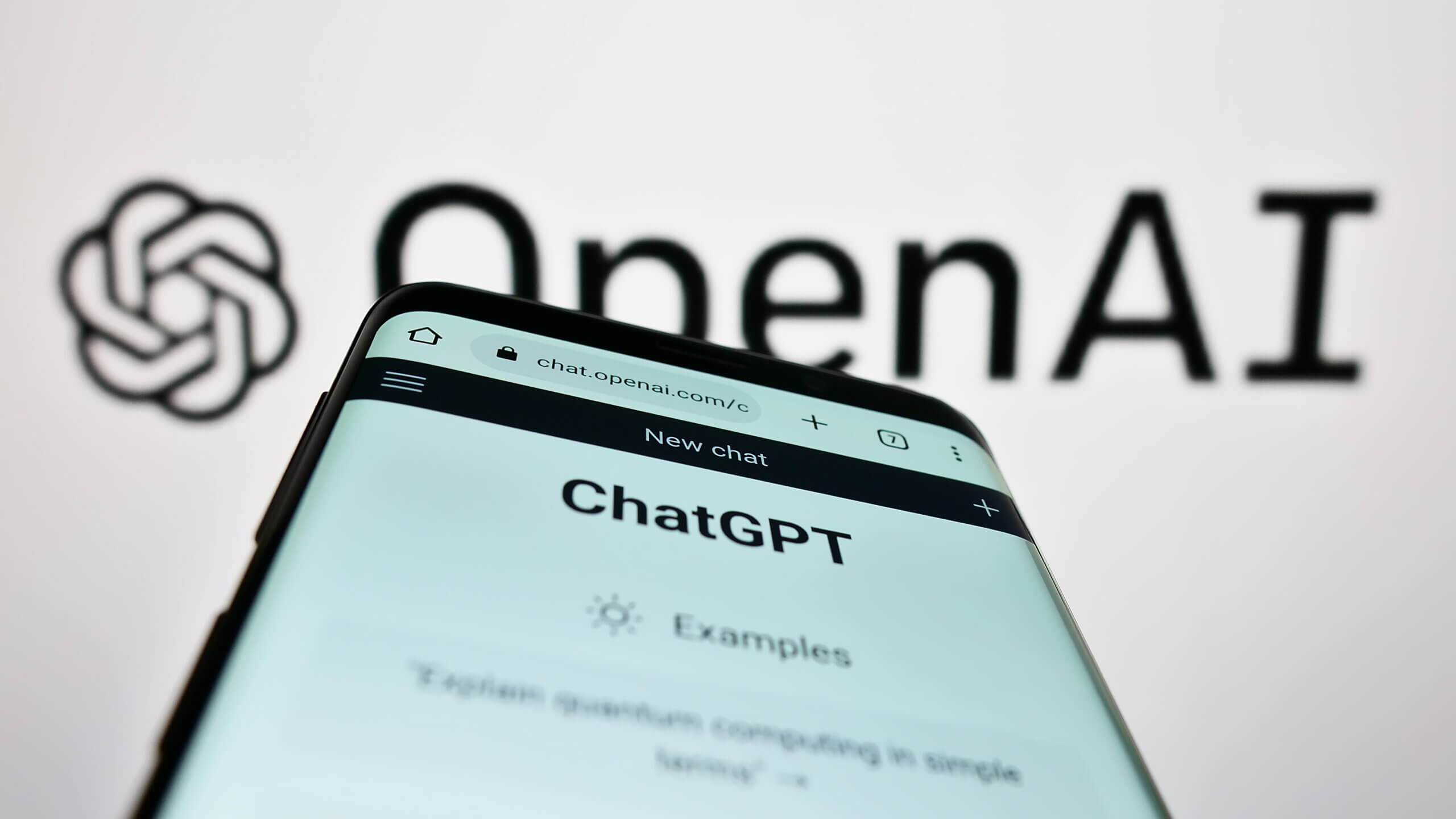
For years, ChatGPT has been the crown jewel of consumer AI, a powerful tool that never tried to sell you anything.
According to recent leaks, OpenAI is actively preparing to introduce ads inside ChatGPT. Early Android app code includes references to “bazaar content,” “search ads,” and even a full “search ads carousel”.
And while OpenAI has reportedly paused a full rollout, testing is already underway — even for users paying $200/month for ChatGPT Pro.
Here’s what brands and businesses need to understand about what comes next.
Are ChatGPT Ads Just a Rumor?
Let’s start with the facts.
A leaked Android beta revealed hardcoded ad infrastructure, not speculative features. Internal memos confirmed OpenAI is exploring monetization beyond subscriptions, especially as user growth surges past 800 million weekly users.
ChatGPT Android app 1.2025.329 beta includes new references to an "ads feature" with "bazaar content", "search ad" and "search ads carousel" pic.twitter.com/BdHOJIQHmA
— Tibor Blaho (@btibor91) November 29, 2025
CEO Sam Altman, who once called ads “gross,” now hints at a “cool ad product” being developed.
OpenAI isn’t asking if ads are coming. They’re figuring out how to make them feel acceptable.
Even Pro Users Aren’t Safe
If you’re paying $200/month, you’d expect a premium, ad-free experience.
Not anymore.
“App suggestions” are now appearing mid-chat, recommending everything from Peloton to Spotify based on conversation context. Officially, OpenAI says these aren’t paid placements (yet), but users aren’t buying it.
The feedback? Outrage.
Reddit threads and X posts have called this a bait-and-switch. Critics warn it erodes trust, the one currency generative AI depends on.
However, OpenAI has claimed that there are currently no live tests for ads in ChatGPT, and screenshots may be doctored or out of context.
When Ads Meet AI, Trust Is the Tradeoff
Traditional search ads live in a sidebar, but AI answers don’t have sidebars. The answers are the experience.
This means any ad injected into ChatGPT becomes part of what users perceive as truth.
Imagine asking for the best electric car and getting a paid placement disguised as a recommendation. That’s not just a UX issue. That’s a credibility crisis waiting to happen.
OpenAI’s own focus groups suggest many users already believe AI answers may be paid for, even before official ad launches.
The Stakes for Brands Are High
The upside for advertisers is obvious: highly contextual, intent-driven exposure. This could rival (or replace) Google-style search intent ads, but the risks are equally significant.
Will users trust AI recommendations if they know ads are involved? How will regulators treat AI-native ad experiences that blend paid and organic responses? What happens when users opt out or revolt?
Brands that move too fast could be seen as manipulative. Those that wait too long may lose competitive advantage.
Who will benefit from ChatGPT ads?
Brands and Retailers: They gain a new performance channel, AI-native discovery, where recommendations blend seamlessly into conversation.
Agencies and Marketers: ChatGPT becomes a new front door for demand generation, requiring new skills: prompt-optimized ad placement, conversational conversion strategy, and AI visibility optimization.
eCommerce and DTC Companies: Product ads may appear directly in response to questions like “What’s the best moisturizer for dry skin?” reshaping the funnel.
Creators and Publishers: A future marketplace (“bazaar content”) hints at monetization opportunities for affiliate creators and paid placement partners.
Users: Even with ads, users could benefit from better product discovery—if OpenAI maintains transparency and quality controls.
Professionals across retail, hospitality, SaaS, finance, health, and consumer tech may integrate AI-native ads into existing acquisition pipelines as ChatGPT becomes a major search competitor.
AI Ads Are Coming, And So Is the New Ad Economy
The AI landscape is shifting, fast.
OpenAI is testing its model. Google is monetizing Gemini. Meta is exploring memory-based targeting for AI assistants.
This isn’t just about one product. It’s about a new ad economy where AI becomes the interface, and influence becomes the product.
For brands, the opportunity isn’t to simply advertise in AI. It’s to influence through AI with strategic messaging, PR, and presence in the tools that shape tomorrow’s decisions.
How Brands Should Prepare
Since ads aren’t live yet, the smartest brands can use this moment to get ahead:
- Build AI-ready product metadata
- Develop conversational ad strategies
- Strengthen affiliate and creator pipelines
- Prepare for “AI visibility” optimization
- Align brand storytelling with ChatGPT-native formats
When ads go live, brands already investing in AI optimization will capture the first wave of opportunity.
This Is an Influence Moment
AI is becoming the next platform of persuasion, and trust will be the most valuable currency in that ecosystem.
Smart brands will move early, not just to run ads, but to build presence, credibility, and authority within the AI experience itself. Because in the AI-driven economy, the real win is trust.
Let’s talk about how to earn it.
Optimize Your Brand’s Visibility in AI Search
Millions turn to AI platforms daily to discover and decide. Make sure they find your brand.